Posted on Leave a comment

Preparing Your Garden for Winter: Essential Late Summer & Autumn Tasks for a Healthy Spring

After a long hot summer winter seems a long way off. However, with the threat of rainstorms and nights drawing in now is the time to start thinking about preparing your garden for winter.

This handy guide will help remind of tasks that need to be completed as well as provide advice on which tools and products will help you protect your garden and ensure it looks great next year.

Firstly, start to clean up borders, patios and paths. Remove any dead plants, clearing out any annuals and dead plant material. If you weed thoroughly now, you can prevent weed from overwintering and spreading come spring. Don’t forget to check the mortar and joints in your paving and patios. If you cannot pull these weeds by hand, you should consider using a weedkiller. Make sure to rake leaves , especially from lawns and borders. Make your life easier with a leaf grabber when you are bagging leaves for collection or disposal.

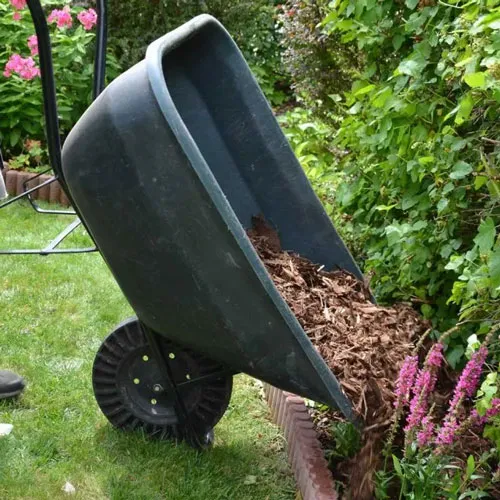
Late summer/Autumn is also the time to trim your perennials unless they provide winter interest. Try to make clean cuts with sharp secateurs to reduce the chance of plant disease. Once pruned, add a layer of mulch (compost, bark or leaf mould) to insulate plant roots and improve your soil.

Your grass will soon stop growing and you can give that final cut with your mover. Now is also the time to aerate and feed your lawn to strengthen the roots of the grass.

Stop rust or damage by cleaning and storing your tools, including draining hoses and irrigation systems to avoid freezing damage. Cover furniture with waterproof tarpaulins and delicate plants and potted plants with fleece or hessian to prevent frost damage.

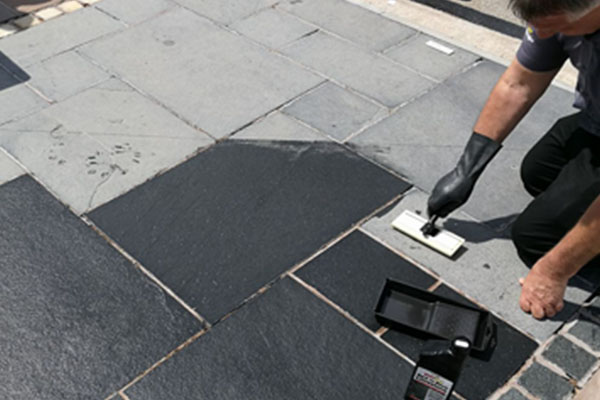
Your fencing and garden structures can be painted or stained in September before the average temperature drops below 10C. This will provide rain and frost protection. Now is also the time to apply a sealant for your stone, concrete or block paved paths, driveways and patios.

A little thought and work at the end of this summer will ensure that your garden will be ready to enjoy and look in great shape next Spring.

Posted on Leave a comment

Top Five Quick Garden Landscaping Projects

Whether planning a complete garden transformation or just sprucing up one unsightly area, here are our five quick garden landscaping ideas for eager gardening enthusiasts, including small garden landscaping ideas and simple ways to update your space.

A garden makeover project doesn’t necessarily require hiring a renowned gardener or breaking the bank. No matter if you have a sweeping terraced garden, a confined urban space or a small courtyard, read on for quick and effective garden makeover project ideas. All products are available for home delivery nationwide or can be collected from in store.


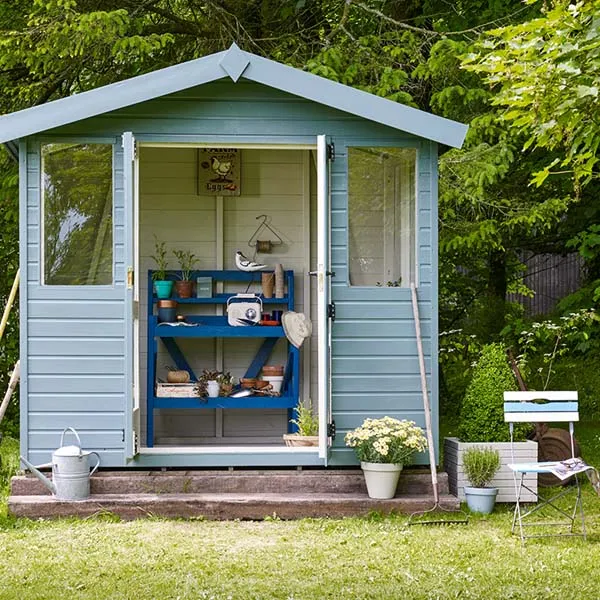
Refresh Your Fence, Shed, or Garden Furniture with an Outdoor Wood Paint or Stain

Now is an ideal opportunity to revitalise your fence, shed, or garden furniture with a new coat of paint or preservative. This quick and effective method enhances your garden’s visual appeal. Our range of outdoor wood paints and treatments features various colors and finishes, from earthy browns to contemporary blues and greys.

By adding lively colour to your garden, you can also reduce future maintenance costs by safeguarding your outdoor timber.

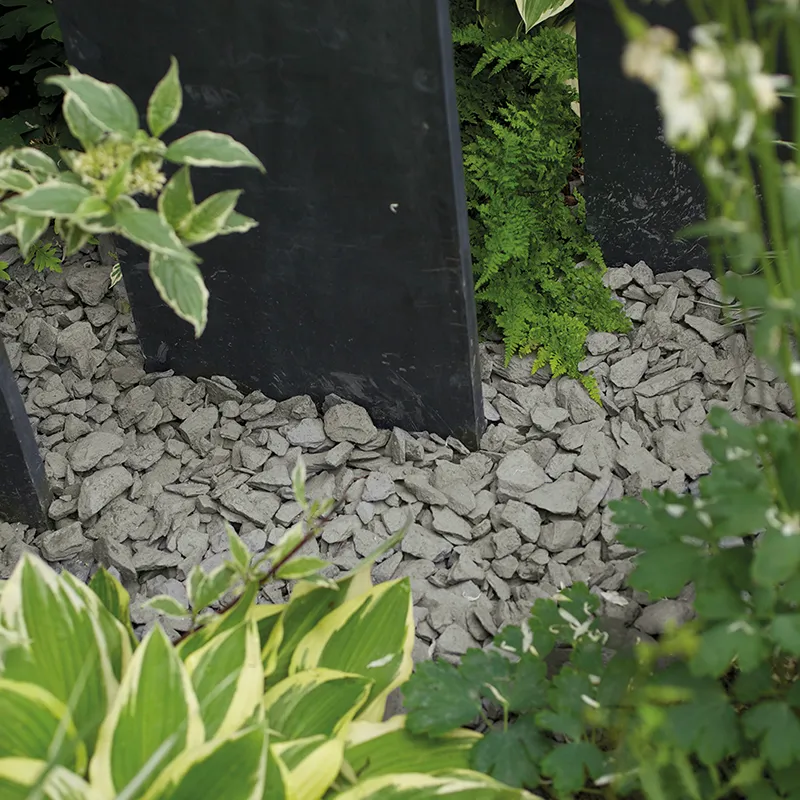
Apply Slate or Decorative Gravel for a Quick Garden Fix

Our selection of wood chippings provides numerous options to swiftly cover up an unsightly area in your garden. Simply lay down a weed suppressant membrane over the area and rake the slate or gravel for an instant, durable solution.

Top tip – if the gravelled area is over soil, cut a cross through the membrane to plant, then re-cover around the plants for a stylish gravel or slate flower bed.

Decorative gravel is also excellent for topping planters and pots, adding instant cover and reducing water loss.

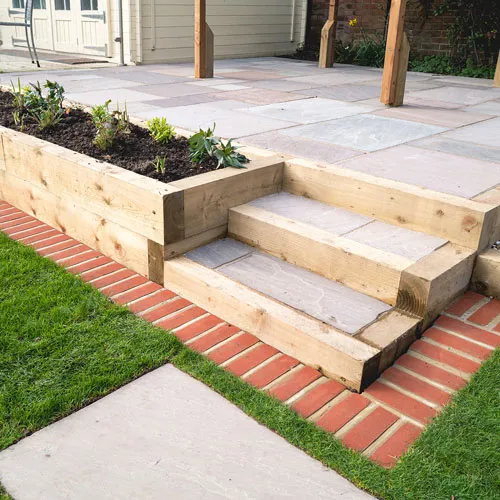
Use Railway Sleepers for Hard Landscaping

Railway sleepers continue to be a popular choice for garden landscaping projects, as these wooden beams are cost-effective, versatile, durable and suit both rustic and modern settings. They have a variety of uses in the garden including raised beds, retaining walls, lawn edging, steps, even garden furniture.

View our selection of softwood sleepers, oak hardwood sleepers.

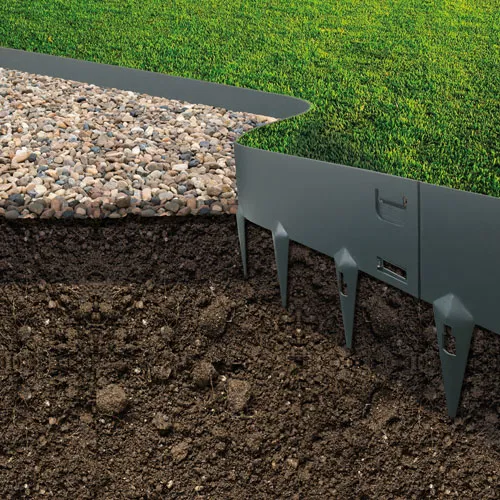
Edge Your Lawn or Pathways for a Polished Look

Neatening the ragged edges of a lawn can significantly enhance your garden’s appearance, preventing paths or borders from encroaching onto your well-kept grass. There are various methods available, but one of the quickest and most durable solutions is steel lawn edging.

Top tip – avoid plastic lawn edging rolls available in garden centers or DIY stores, as they lack the strength to provide a solid edge and won’t withstand a lawnmower or strimmer.

Apply Bark for a Natural Finish and Aesthetic

Mulching your flower beds or bare soil with bark chippings, applied over a weed suppressing membrane, is a fantastic way to quickly enhance your garden’s visual appeal. This technique is also applicable in landscaping for small gardens.

Besides controlling weeds, bark will also help retain soil moisture, protect your plants’ roots during winter, and provide an eco-friendly habitat for beneficial insects in your garden.

Briants sign

Consult the Experts for Your Garden Landscaping

We hope these suggestions have inspired some garden design ideas. For any assistance or advice on landscaping supplies or your garden project, speak to one of our experts.

From decking to paving, decorative fencing, and many other garden and landscaping supplies, our team can help bring your garden dreams to life.

If you’d like to discuss a specific project, give us a call to to explore various garden projects and garden design ideas.

Posted on Leave a comment

Tips On How to Clean Your Patio: Revitalize Your Outdoor Space:

Your patio is an essential part of your living area, providing a wonderful space for relaxation and gatherings. However, it can become dirty and stained over time, diminishing its appeal. If you’re seeking ways to refresh your patio, you’ve come to the right place. This article will share effective strategies and cleaning techniques to restore your patio, ensuring it remains a welcoming spot for your loved ones. From basic cleaning tricks to more advanced solutions like power washing, we’ll cover everything you need to know to maintain your patio in excellent shape throughout the seasons.

What is the Most Effective Method for Patio Cleaning?

When it comes to cleaning your patio, there are various methods available, each with its unique advantages and disadvantages. The best choice depends on the condition of your patio and your personal preferences.

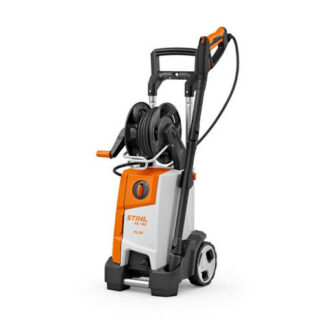
A highly favored method is using a power washer. This technique is particularly effective at eliminating dirt, algae, and stubborn stains, making it perfect for larger cleaning jobs. While it provides a fast and efficient clean, care must be taken as it may harm delicate surfaces and requires access to water. Additionally, power washing can be disruptive due to the noise it generates.

Another straightforward approach involves warm, soapy water and a durable scrub brush. This method is gentle, making it suitable for regular upkeep. It’s inexpensive and doesn’t necessitate specialized gear, although it can be labor-intensive and might not remove deep-rooted stains completely.

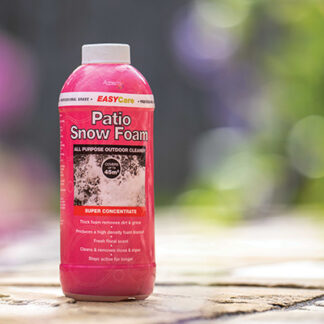
For those dealing with tough stains, commercial cleaning products can be an excellent alternative. These solutions are designed to tackle specific issues effectively. They save you time and effort, but be mindful of their environmental impact and the need for careful handling.

No matter which method you select, equipping yourself with the right tools is essential. Key items include a sturdy brush, a bucket, and a garden hose for manual cleaning. If opting for chemical cleaners, make sure to wear gloves and goggles. For power washing, investing in a reliable machine will yield the best results.

A Comprehensive Guide to Patio Cleaning

Enhancing the look and durability of your patio is achievable through regular cleaning. Start by clearing your patio of any furniture, planters, or decorative pieces to create an unobstructed workspace. Sweep away loose debris like leaves and dirt to ensure a smooth cleaning process. If you encounter stubborn stains or growth, consider applying a patio cleaning solution or a blend of warm water and gentle detergent in advance, allowing it to soak in for a few minutes.

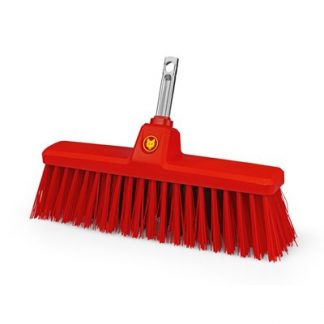
Once your patio is ready, follow this structured cleaning procedure. Begin with a sturdy broom to sweep the area thoroughly. If you want a deeper clean, a power washer is a great option; otherwise, a scrub brush combined with a bucket of soapy water will do just fine. Tackle one section at a time, using circular motions to effectively lift dirt and stains. Rinse each part with clear water to eliminate any soap residue. For persistent stains, you may need to repeat this process or utilize a specialized patio cleaner.

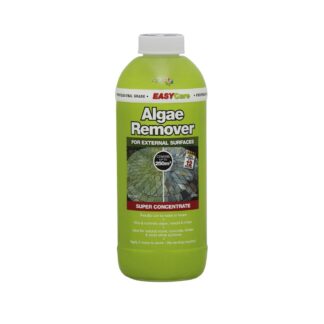
To keep your patio looking its best after cleaning, incorporate these maintenance tips. Regularly sweeping your patio will help prevent dirt buildup, and applying a protective sealant can guard against weather damage and stains. Additionally, keep an eye out for moss or algae growth and take prompt action to maintain your patio’s appeal. By adhering to these guidelines, your patio will remain an attractive and inviting area for years ahead.

How to Use a Power Washer for Patio Cleaning

Using a power washer to clean your patio can be an efficient way to eliminate dirt, algae, and other contaminants, but safety should always be a priority. Be sure to wear protective gear such as goggles, gloves, and sturdy shoes to shield yourself from debris and high-pressure water. Clear the area of obstacles, and keep children and pets away to avoid any accidents during the cleaning process.

For most patios, the ideal pressure settings are between 1300 and 2000 PSI. Lower settings are suitable for softer surfaces like wood, while higher settings are effective for concrete and brick. Always begin with the lowest setting and adjust as necessary to prevent damage.

To effectively clean your patio with a power washer, follow these steps: First, clear away any furniture or loose debris. Then, sweep the patio to ensure it’s clean. Connect your power washer to a water source and turn it on, adjusting the pressure to your desired level. Start spraying from one end, using a sweeping motion to cover the area evenly. For tough stains, hold the nozzle closer but avoid lingering in one spot to prevent surface damage. After cleaning, rinse the area thoroughly to remove any remaining debris, and allow it to dry completely before putting back any furniture.

Dealing with Stains and Discolorations

To keep your patio looking immaculate, addressing stains and discolorations is vital. First, identify the common types of stains that can affect your patio, such as organic stains from leaves, oil stains from vehicles, and rust stains from metal furniture. Each stain type requires a different cleaning method for effective removal.

For organic stains, a blend of warm water and mild detergent can be highly effective. Scrub the stained area with a stiff-bristled brush. Oil stains often need a stronger solution, such as a degreaser or a paste made from baking soda and water, which should be applied directly to the stain and allowed to sit for 15 minutes before scrubbing and rinsing. Rust stains can usually be treated with a rust remover specifically meant for patio surfaces, so be sure to follow the manufacturer’s instructions for optimal results.

After successfully removing stains, it’s crucial to implement preventive measures to avoid future discolorations. Regular sweeping to eliminate debris can help prevent organic stains, while reapplying a sealant every few years can protect against oil and rust. By integrating these cleaning techniques and maintenance practices into your routine, your patio can retain its fresh and appealing look for many years.

Year-Round Patio Maintenance

Maintaining your patio in excellent condition throughout the year is essential for making the most of your outdoor space. Seasonal upkeep is key. In spring, assess for any winter damage, remove debris, and consider applying a protective sealant. During summer, routine sweeping and washing will help eliminate dirt and dust, while autumn brings the challenge of leaves that can stain if not addressed promptly. Winter demands extra care; ensure that snow and ice are cleared quickly to prevent slips and surface damage.

Protecting your patio from the elements is crucial. Invest in high-quality sealants that create a barrier against moisture and UV rays. Routinely check joints and edges for cracks or wear, and make necessary repairs immediately to avoid further damage. Using outdoor rugs can also help prevent wear in frequently used areas while adding a decorative touch.

Establishing a consistent cleaning schedule is vital for preserving the beauty and functionality of your patio. Aim to perform a thorough cleaning at least once a month, which should include sweeping, power washing, and treating with appropriate cleaning solutions to combat stains and algae growth. A well-maintained patio not only enhances your outdoor experience but also prolongs the life of your investment. By following these cleaning tips, you can ensure your patio remains a beautiful and welcoming space throughout the entire year.


Posted on Leave a comment

Guide to Buying a Lawn Mower

lawn mower

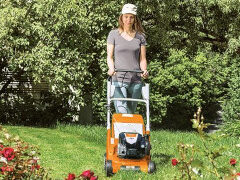
Whether you’re an amateur gardener or a professional landscaper, you’ve come to the right place. In this guide to buying a lawn mower, we’ll provide you with all the information you need to make an informed decision. From understanding the different types of mowers to key features to consider, we’ve got everything covered. We’ll also help you choose between everything from cordless to self-propelled mowers and introduce you to the top brands we offer. Plus, we’ll answer frequently asked questions and provide additional resources and buying tips.

Continue reading Guide to Buying a Lawn Mower
Posted on Leave a comment

Effective Methods for Repairing Fence Posts

Are your fence posts showing signs of wear and tear? You’re not alone. Fence post damage is an issue that many homeowners face. Whether it’s due to rot, pests, or simply old age, repairing your fence posts is essential to maintaining your fence. At Briants of Risborough, we understand the challenges and offer solutions to fix fence posts and ensure your fence stays standing.

This guide will walk you through identifying fence post damage, steps to repair wooden fence posts, preventative measures to avoid future damage, and how Briants can assist you with all your fencing needs.

Continue reading Effective Methods for Repairing Fence Posts
Posted on Leave a comment

How to Build a Fence

Jacksons woven fence panel

Welcome to Briants of Risborough, your go-to source for all your fencing needs. This guide provides instruction on how to build a fence, covering various purposes such as privacy, security, and decoration. It highlights the availability of different types of fence panels and materials at Briants, catering to both domestic customers and professional contractors. The company offers a wide range of products, including fence posts, postcrete, digging tools, garden sleepers, agricultural stakes, post & rail fencing, decking supplies, and gates.

Continue reading How to Build a Fence
Posted on

Top Handled Chainsaw Guidance

Top Handle Chainsaws

As a long standing retailer of chainsaws, a topic which appears with regular frequency is that of the ownership and use of Top-Handled chainsaws.

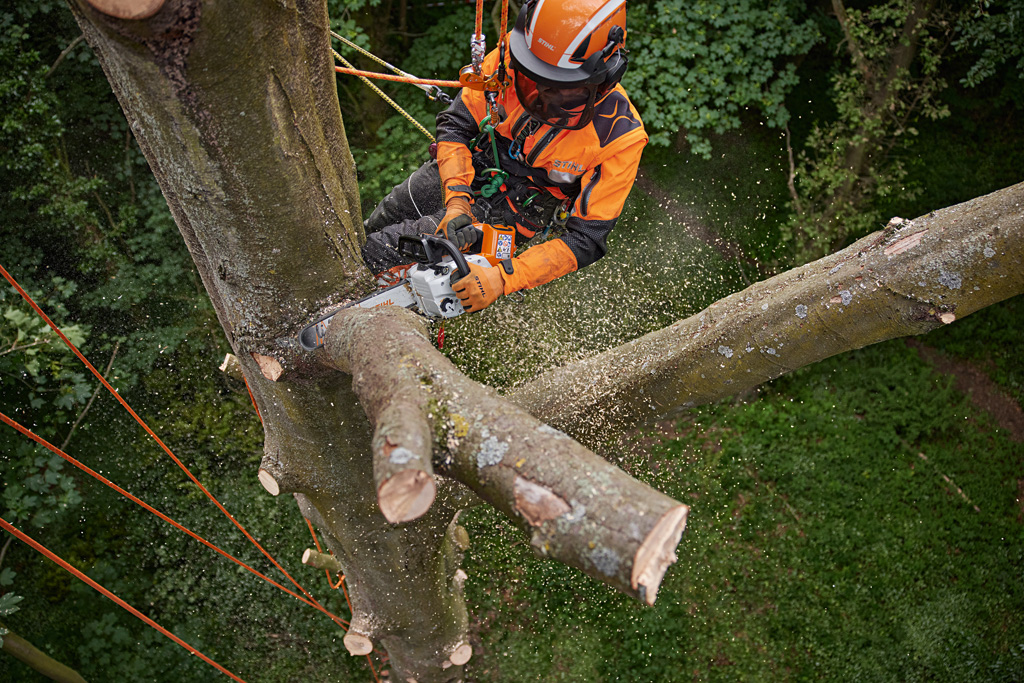
The top-handle models are available from multiple manufacturers and now widely produced in both 2-stroke petrol and cordless battery versions. Designed purely for aerial applications, they should ONLY be used when working at height i.e. the pruning or dismantling of a tree. They are not intended to be used on the ground, all ground based work should be undertaken using an appropriate back handled chainsaw.

Continue reading Top Handled Chainsaw Guidance
Posted on

How to Scarify a Lawn

How to scarify a lawn
Photo by Adam Frazier

Anyone who has done a little bit of research into lawn maintenance will have doubtless come across information on the practice of scarifying. This term generally refers to using a machine to remove thatch from the surface of a lawn to help improve overall health and lead to a thicker and more aesthetically pleasing appearance, and we’ve put together a guide to the causes and a step-by-step guide on how to scarify a lawn correctly.

Continue reading How to Scarify a Lawn
Posted on

E10 Fuel

E10 will soon become the norm when filling up with unleaded at garage forecourts across the UK. E10 denotes that the fuel contains up to 10% renewable bioethanol.
E10 has been produced as a more environmentally friendly fuel for use in modern cars, it produces less CO2 whilst at the same time marginally improving fuel efficiency (when compared to unleaded containing 0-5% ethanol). HOWEVER, it is NOT RECOMMENDED for many GARDEN MACHINERY applications**, older cars or small motorcycles, more specifically engines fitted with vented fuel systems and carburettors.

Continue reading E10 Fuel
Posted on

Rotten Fence Posts – Spend More to Save More

ROTTEN FENCE POSTS

Change in regulations

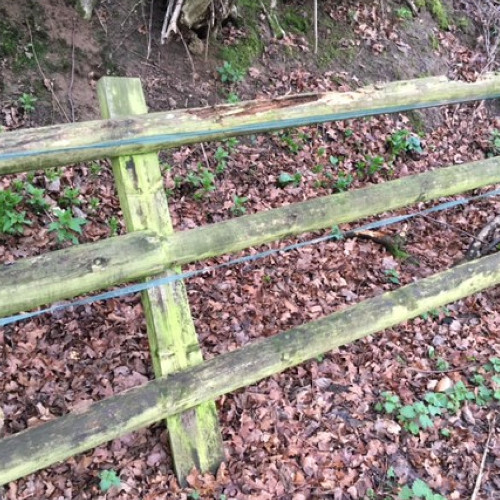
Many of us have been there, on a windy day we arrive home at the end of a long day to find our fence has fallen down! Either that or wake up in the morning and discover a view of the next door neighbours garden that wasn’t there the night before. Puts a slight dampener on things, doesn’t it!

Continue reading Rotten Fence Posts – Spend More to Save More
Posted on

Why Does Petrol Go Stale?

Why Does Petrol Go Stale?

Does petrol really go stale?

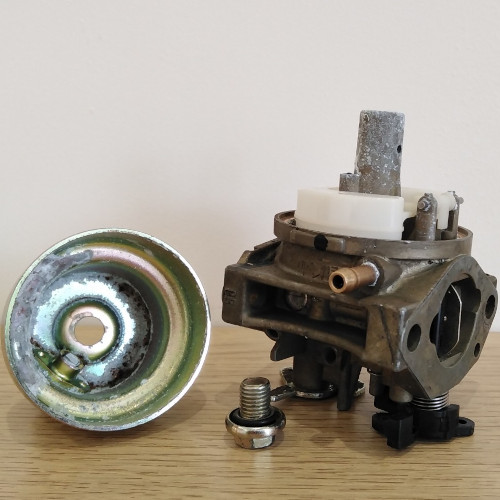
Petrol from the pump is a mix of many organic components with different properties that determine the performance of the fuel. If left in an open container it will, in time, completely evaporate. But as it evaporates, the composition of the fuel will change as different chemical components evaporate at different rates. This evaporation also happens in fuel cans and tanks and the process of degradation starts the moment the fuel is purchased.

Continue reading Why Does Petrol Go Stale?